
SpaceX’s Koreasat-6A Mission Launches to Geosynchronous Transfer Orbit
The 3.9 ton (3.5 metric tons) KoreSat-6A will replace the current KoreaSat-6 satellite and deliver both fixed and broadcasting satellite service to South Korea.
(Cape Canaveral, Florida) SpaceX’s Falcon 9 rocket launched the KoreaSat-6A telecom satellite from NASA’s Kennedy Space Center in Florida today at 12.25 p.m. EST (1625 GMT).
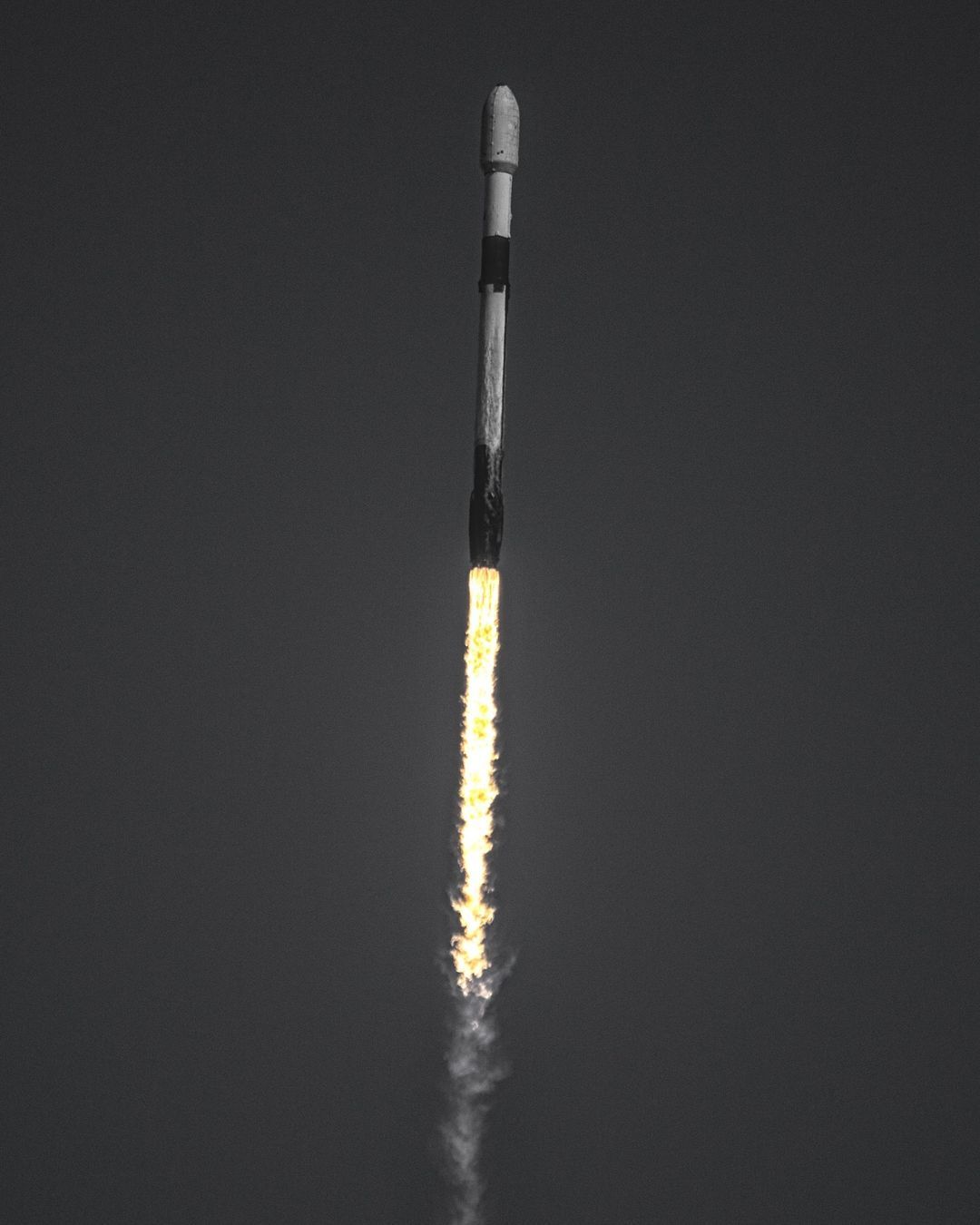
Photo of this morning’s SpaceX KoreSat-6A launch courtesy of spaceflight photographer Michael Cain on Instagram, @mdcainjr.
The launch marked the 23rd flight for the first stage booster supporting the mission, which previously launched CRS-22, Crew-3, Turksat 5B, Crew-4, CRS-25, Eutelsat HOTBIRD 13G, O3B mPOWER, PSN SATRIA, Telkomsat Marah Putih 2, Galileo L13, and 12 Starlink missions, according to SpaceX; it also marked the company’s 107th successful launch of this year.
Deployment of KoreaSat-6A in geostationary orbit, 22,236 miles (35,786 kilometers) above Earth, was confirmed – at this altitude, orbital speed matches our planet’s speed of rotation, allowing spacecraft to "hover" over the same patch of ground. For this reason, geostationary orbit is a popular destination for spy and weather satellites, as well as communication craft such as KoreaSat-6A, according to Space.com.
According to a statement from Thales Alenia Space, the French company that built the new KoreaSat-6A satellite, last year, KoreaSat-6A will replace the current KoreaSat-6 satellite and deliver both fixed satellite service (FSS) and broadcasting satellite service (BSS) to South Korea.
KoreaSat-6A will be operated by the South Korean company KT SAT Corporation Ltd., and the satellite’s expected lifetime is 15 years, according to Space.com.


