
SpaceX Launches 21 Starlink Satellites to LEO & Preps for Starlink Test Flight 7; Blue Origin Scrubs NG-1 Launch
SpaceX’s Falcon 9 launched 21 Starlink Satellites, including 13 with DTC capabilities, to low-Earth orbit from SLC-40 at Cape Canaveral Space Force Station in Florida.
(Cape Canaveral, Florida) SpaceX’s Falcon 9 launched 21 Starlink satellites, including 13 with Direct to Cell (DTC) capabilities, to low-Earth orbit (LEO) from Space Launch Complex 40 (SLC-40) at Cape Canaveral Space Force Station in Florida at 11.47 am EST (1647 GMT) this morning (Jan. 13th) as the company is planning to launch the seventh flight test of its Starship mega-rocket as early as Wednesday, Jan 15th; also this morning, Blue Origin scrapped the launch of its NG-1 mission (a new launch date is TBD).
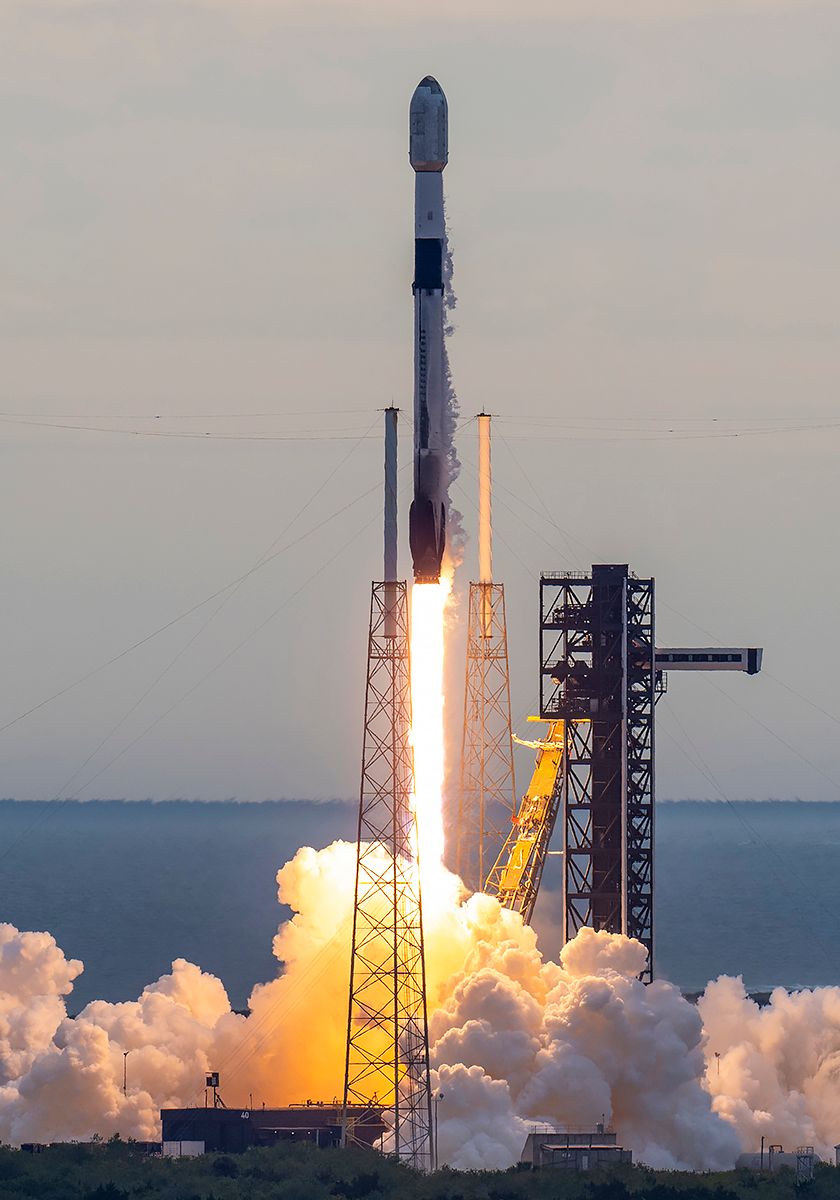
Photo of this morning’s (Jan. 13) Starlink launch courtesy of a post by SpaceX on X, @spacex.
SpaceX’s mission marked the 15th flight for the its first stage booster, which previously launched Ax-2, Ax-3, CRS-30, SES 24, NG-21, Euclid, and now nine Starlink missions, according to a blog post by SpaceX.
The Starlink mission launched after Jeff Bezos’s Blue Origin scrubbed what would have been the first launch of its 320-foot tall, reusable New Glenn heavy-lift rocket from Florida’s Space Coast during the three hour window that opened at 1 am EST (0600 GMT) this morning, citing a technical issue; a new target date has not yet been disclosed.
UPDATE as of Monday (Jan. 13) evening: Blue Origin is now targeting tomorrow, Jan. 14, for launch, with a three-hour launch window opening at 1 a.m. EST (0600 GMT).
New Glenn’s debut mission, dubbed NG-1, was originally planned for Friday, Jan. 10, but was pushed back 72 hours due to rough seas in the patch of the Atlantic Ocean where the rocket’s first stage is expected to land on a ship named Jacklyn, after Bezos’s mother.
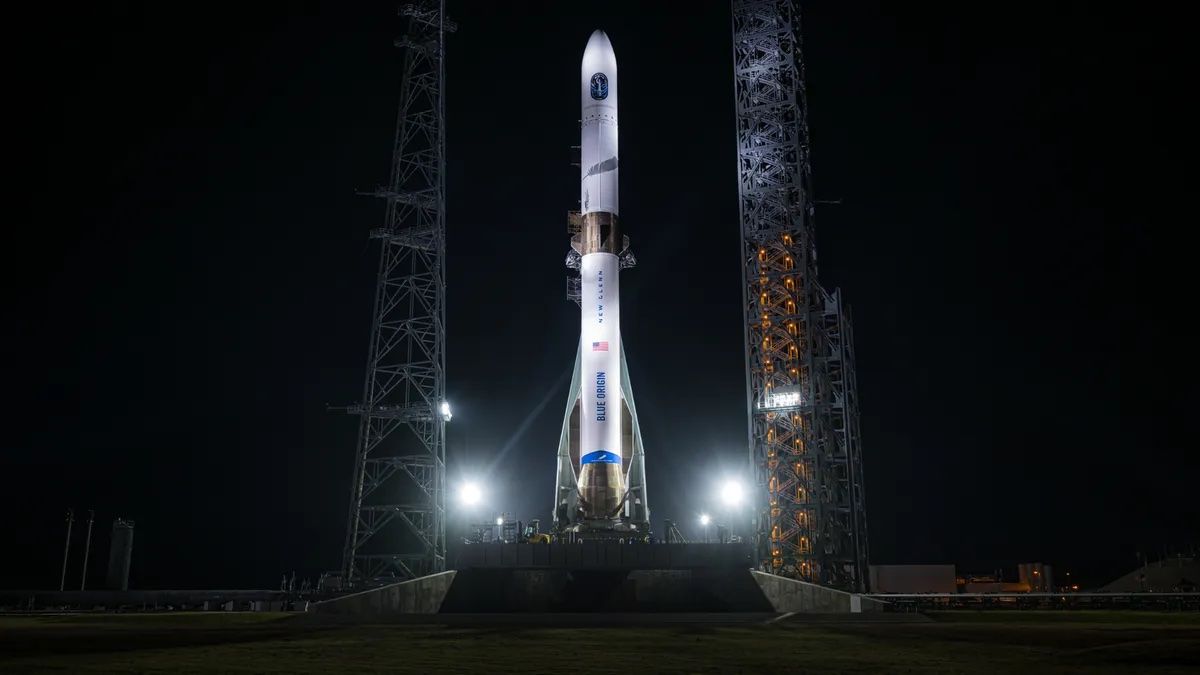
Photo of New Glenn on its launch pad courtesy of Blue Origin via Space.com.
A post from Blue Origin on X, @blueorigin, at 3.09 a.m. EST read: “We’re standing down on today’s launch attempt to troubleshoot a vehicle subsystem issue that will take us beyond our launch window. We’re reviewing opportunities for our next launch attempt.”
New Glenn, which has been in development for about a decade, is Blue Origin’s first orbital-class rocket, according to Space.com; the company currently flies a reusable suborbital vehicle called New Shepard, which takes people and payloads on brief trips to space.


