
SpaceX Launched NASA’s PACE Satellite Mission Into a Sun-Synchronous Orbit (SSO) This Morning
SpaceX’s Falcon 9 launched NASA’s PACE (Plankton, Aerosol, Cloud, ocean Ecosystem) mission into SSO to study Earth’s oceans, air and climate.
(Cape Canaveral, Florida) At 1:33am EST this morning (Thursday, February 8th), a SpaceX Falcon 9 rocket launched the National Aeronautics and Space Administration’s (NASA) PACE (Plankton, Aerosol, Cloud, ocean Ecosystem) mission to a sun-synchronous orbit (SSO) from Space Launch Complex 40 (SLC-40) at Cape Canaveral Space Force Station in Florida.
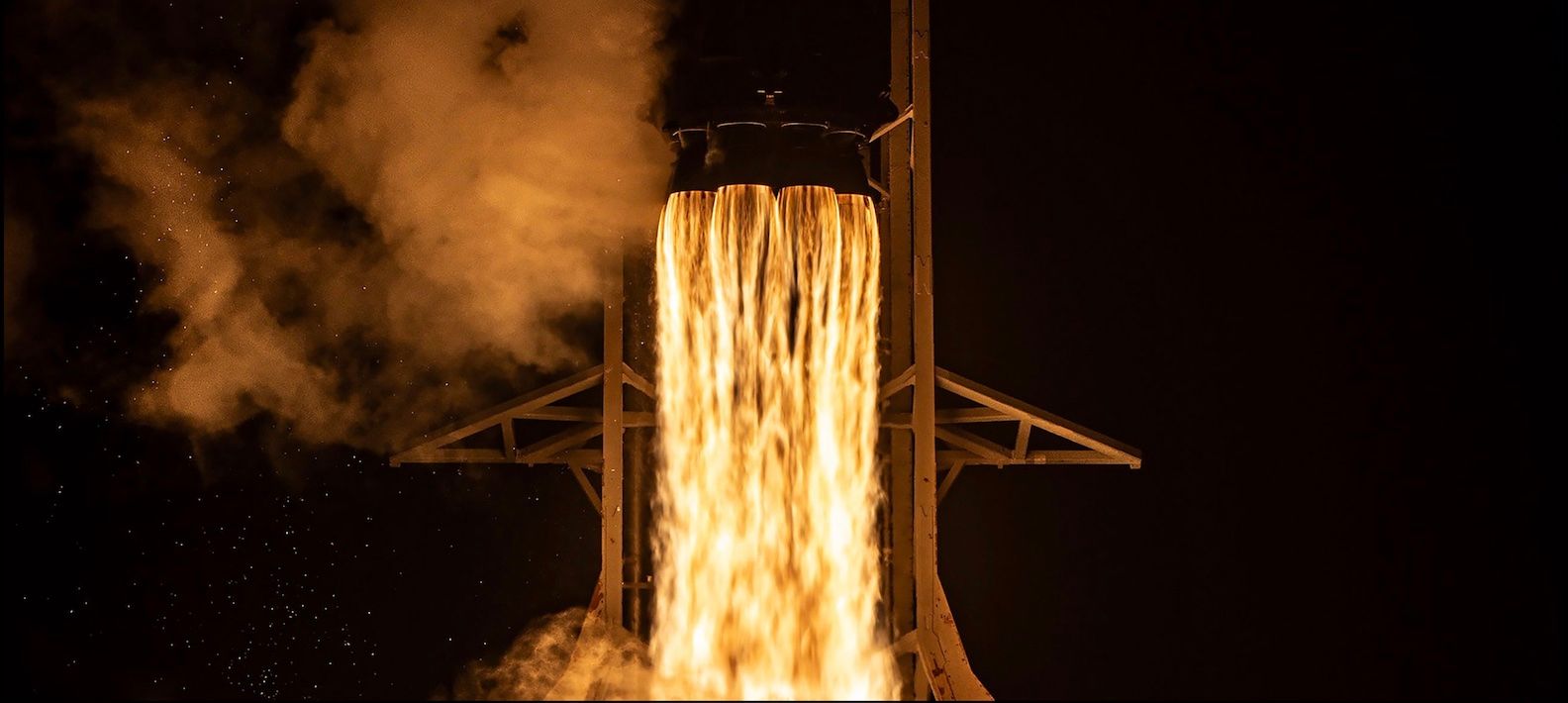
Photo of SpaceX’s Falcon 9 launching NASA’s PACE mission to sun-synchronous orbit this morning courtesy of SpaceX.
The $1 billion PACE mission – bearing the NASA’s newest Earth-observing satellite – had previously been subjected to attempted cancellations by the Trump administration on four separate occasions, according to Space.com.
Once up and running, PACE will make key observations of Earth’s atmosphere and climate and allow scientists to assess the health of Earth’s oceans in new and novel ways, according to Space.com.
"What I’m most excited about is that PACE is going to so profoundly advance our understanding about how our oceans work and how they are related to the broader Earth system," said Karen St. Germain, director of NASA’s Earth Science Division, during a prelaunch briefing on Sunday (Feb. 4). "PACE is going to show us the biology of the oceans at a scale that we’ve never been able to see before," she added.
Today’s flight was the fourth of the SpaceX first stage booster supporting the mission, which previously launched Crew-7, CRS-29, and one Starlink mission.


