
SpaceX’s Falcon 9 Launched its GPS III-7 Mission for the U.S. Space Force Yesterday
The mission carried the latest addition to the United States’ Global Positioning System (GPS) constellation, a Lockheed Martin GPS III satellite.
(Cape Canaveral, Florida) Yesterday, on Friday, May 30 at 1.37pm ET (17.37 GMT), SpaceX’s Falcon 9 launched the GPS III-7 mission – carrying the latest addition to the U.S.’ Global Positioning System (GPS) constellation, the GPS III-7 Space Vehicle (SV-08) – to medium-Earth orbit from Space Launch Complex 40 (SLC-40) at Cape Canaveral Space Force Station in Florida.
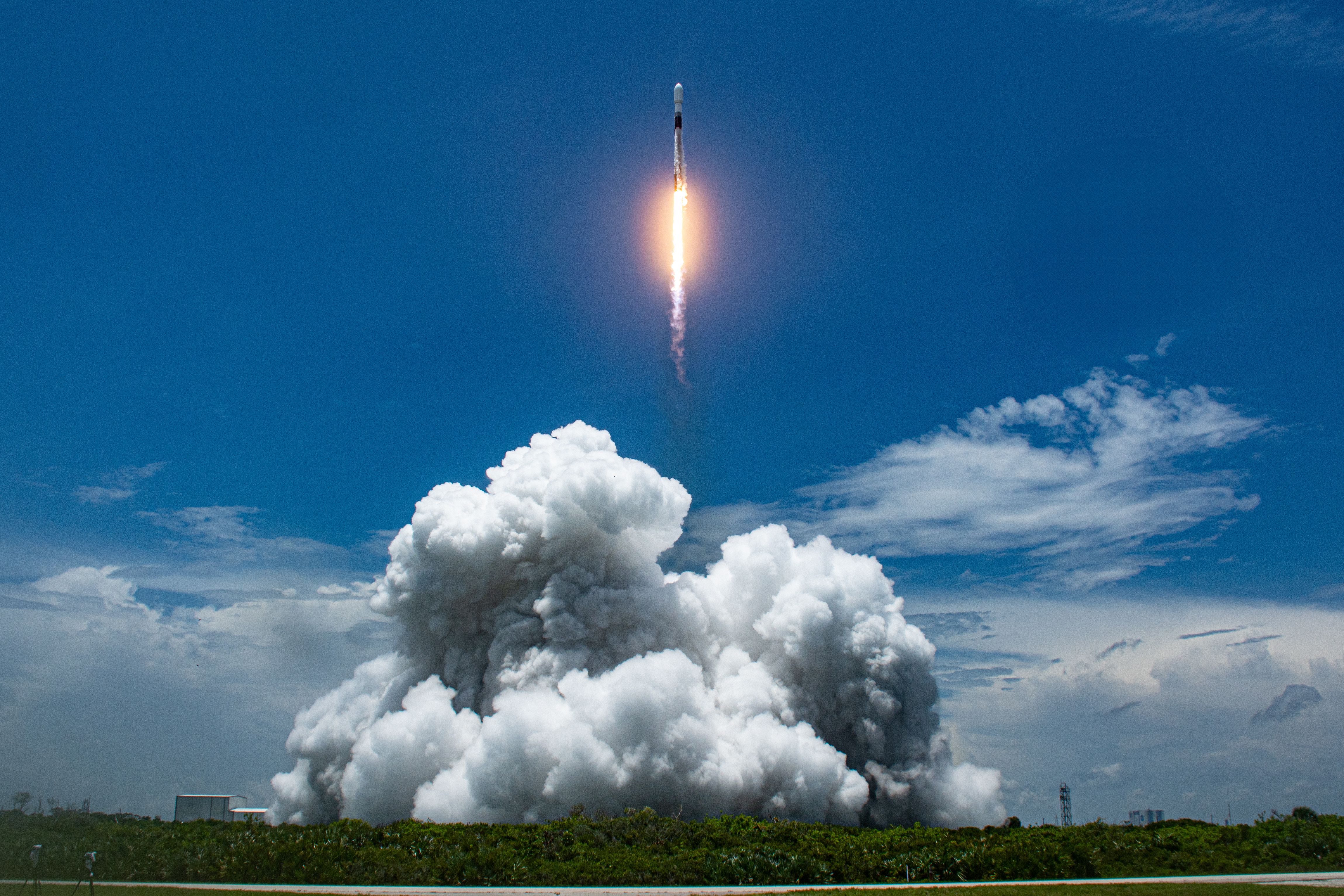
Photo of SpaceX’s Falcon 9 launching its GPS III-7 Mission for the U.S. Space Force – carrying a Lockheed Martin-manufactured satellite – yesterday from Cape Canaveral, Florida, courtesy of spaceflight photographer Michael Cain via of The FLY Report.
The flight, which carried a Lockheed Martin (NYSE: LMT) GPS III satellite for the U.S. Space Force – marked the fourth for the first stage booster supporting the mission – tail number B1092, according to Spaceflight Now – which previously launched CRS-32, NROL-69, and a Starlink mission.
About 8.5 minutes after liftoff, B1092 landed on the droneship, ‘A Shortfall of Gravitas,’ marking the 111th booster landing on that vessel and SpaceX’s 454th landing to date, per SpaceFlight Now.
The SV-08 mission came less than a year after the launch of the previous third generation GPS satellite, SV-07 — that mission, initially referred to as the the Rapid Response Trailblazer or RRT-1, boasted a relatively short turnaround time for getting a mission from contract to launch, given a typical government mission can have a timeline of 18 – 24 months from the initial launch award to getting to the launch pad, according to SpaceFlight Now.
SV-08 marks the second consecutive GPS III satellite launch to be switched from United Launch Alliance (ULA) to SpaceX, after December’s launch of SV-07 shifted from a United Launch Alliance Vulcan rocket to a SpaceX Falcon 9 because by the middle of last year, Vulcan still wasn’t certified to launch national security missions, per SpaceNews.
ULA will launch SV-10 instead of SpaceX, according to SpaceFlight Now.
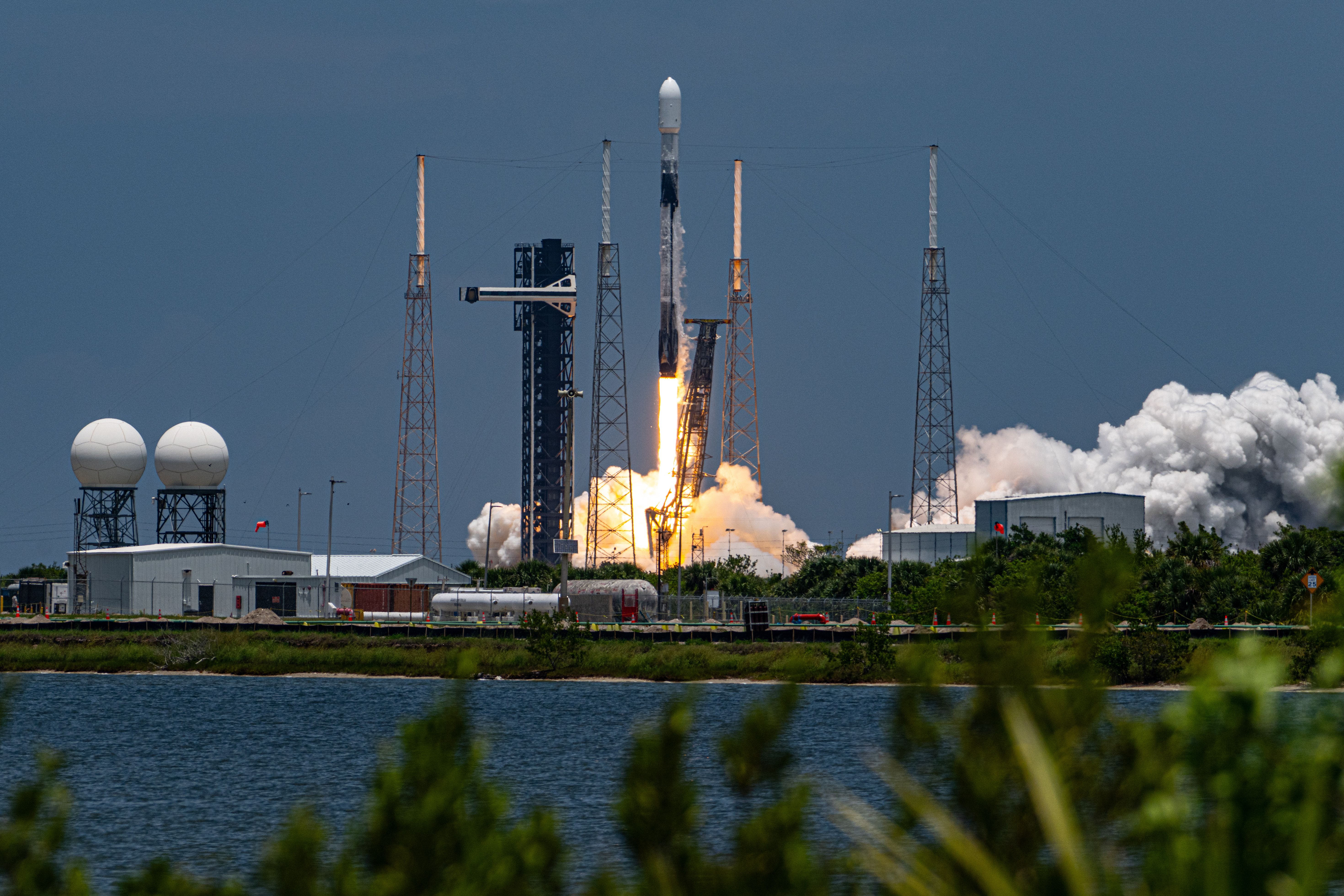
SpaceX's Falcon 9 launched its GPS III-7 Mission for the U.S. Space Force - carrying a Lockheed Martin-manufactured satellite - yesterday from Cape Canaveral, Florida; launch photo courtesy of spaceflight photographer Michael Cain.
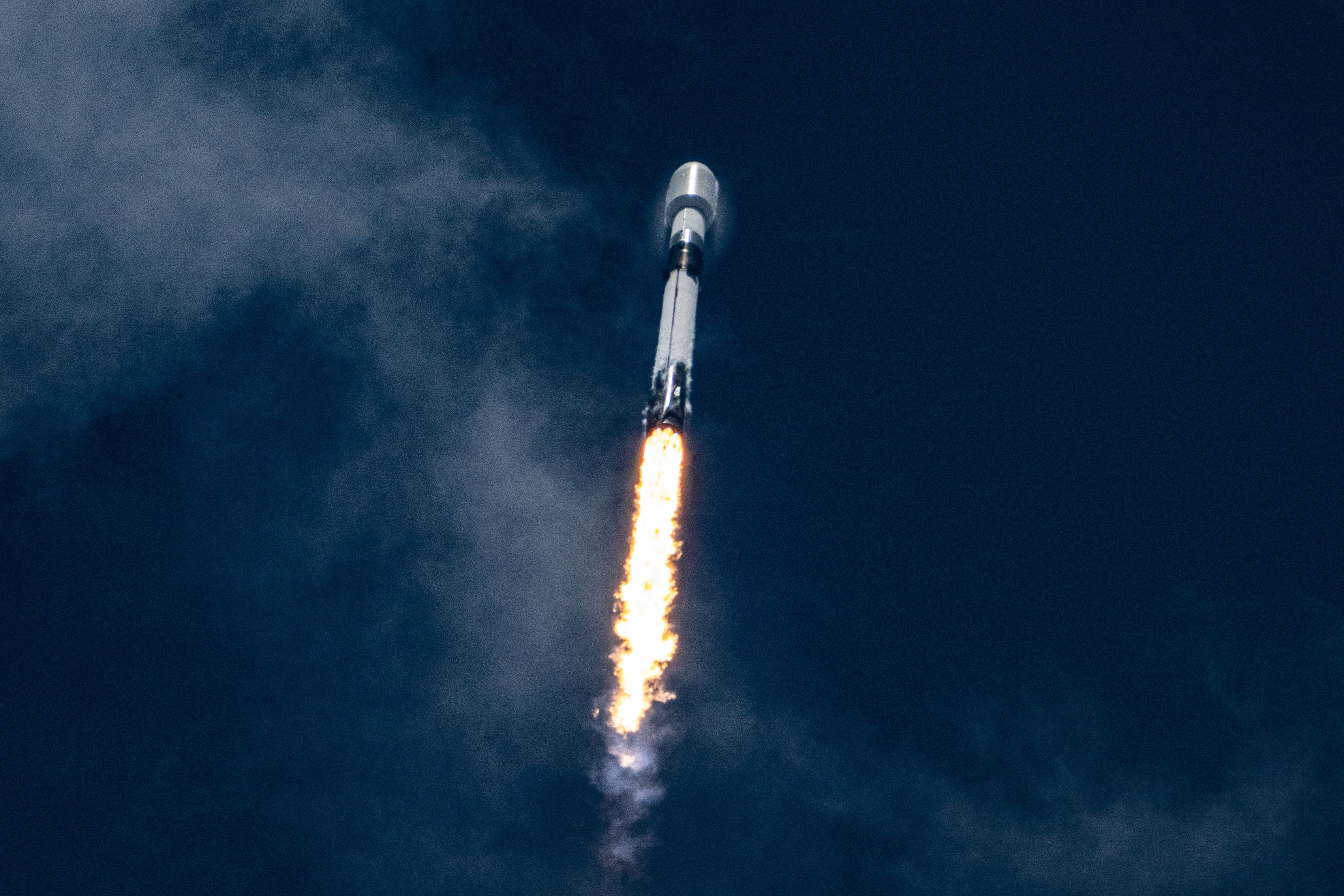
SpaceX's Falcon 9 launched its GPS III-7 Mission for the U.S. Space Force - carrying a Lockheed Martin-manufactured satellite - yesterday from Cape Canaveral, Florida; launch photo courtesy of spaceflight photographer Michael Cain.
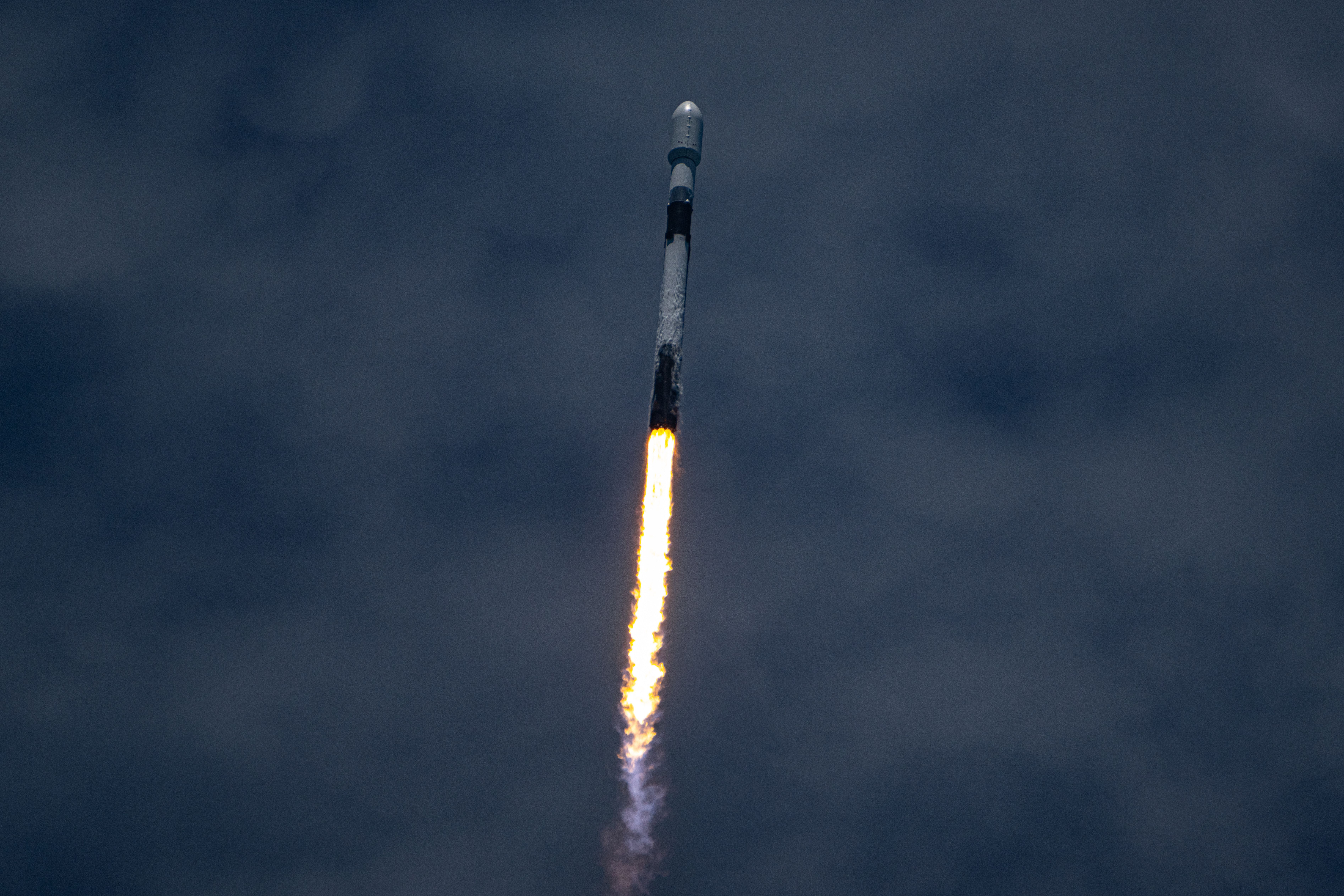
SpaceX's Falcon 9 launched its GPS III-7 Mission for the U.S. Space Force - carrying a Lockheed Martin-manufactured satellite - yesterday from Cape Canaveral, Florida; launch photo courtesy of spaceflight photographer Michael Cain.
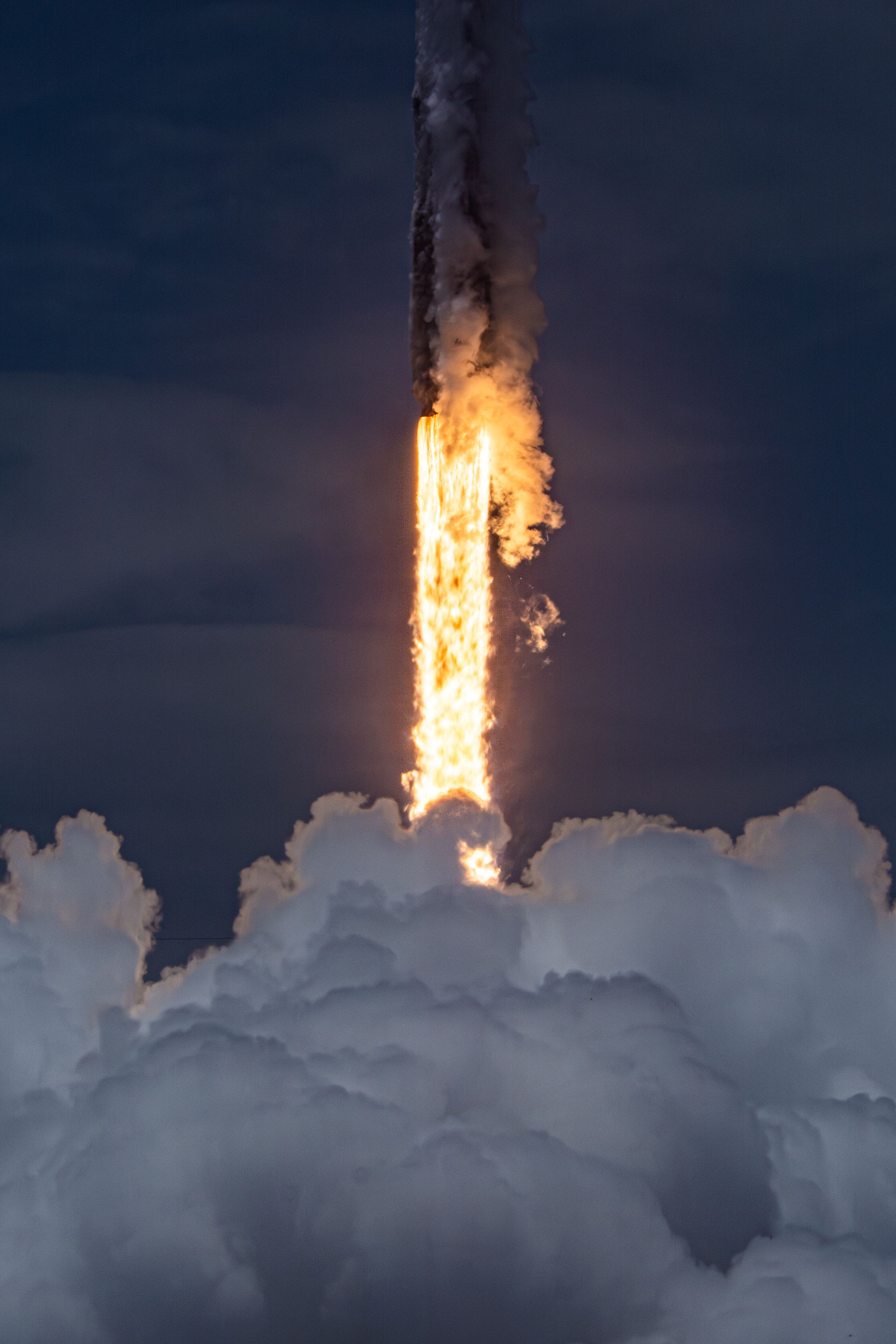
SpaceX's Falcon 9 launched its GPS III-7 Mission for the U.S. Space Force - carrying a Lockheed Martin-manufactured satellite - yesterday from Cape Canaveral, Florida; launch photo courtesy of spaceflight photographer Michael Cain.
GPS III satellite manufacture Lockheed Martin received the letter calling up the SV-08 satellite out of storage on Feb. 21, and the call for launch to SpaceX was sent on March 7th, according to Spaceflight Now.
On a separate note, check out [this link]*https://x.com/SpaceX/status/1928185351933239641) to view Elon Musk’s update on #SpaceX’s plan to reach Mars – and plans for a city on Mars (the first city on another planet) – posted via the @spacex account on X on May 29th:


