
Japan’s Epsilon S Rocket Test Ends in Explosion, Delaying JAXA’s Space Plans
JAXA aborted an engine test for its Epsilon S rocket today (Nov. 26) after it exploded and caught fire during a ground test.
(Tanegashima, Japan) The Japan Aerospace Exploration Agency (JAXA) aborted an engine test for its Epsilon S rocket today (Nov. 26) after the rocket exploded and caught fire during a ground test; the failure will likely cause Epsilon S’s debut launch to be pushed beyond its March 2025 target date, thereby delaying the progress of Japan’s national space program, per Reuters.
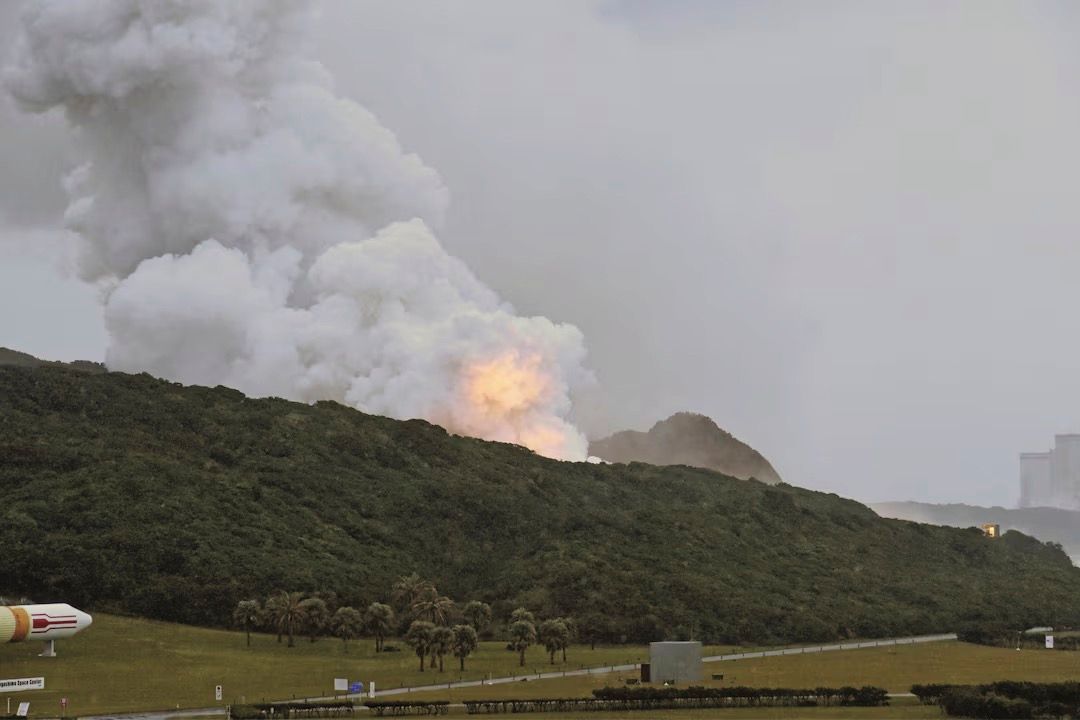
Photo of a fire that broke out during an engine combustion test of the Japan Aerospace Exploration Agency’s (JAXA) Epsilon S rocket seen at the Tanegashima Space Center on the southwestern island of Tanegashima, Japan this morning (November 26, 2024) courtesy of Kyodo via Reuters.
The combustion test, which was conducted at the Tanegashima Space Center, resulted in a fire and damaged the facility but caused no injuries. JAXA told Reuters that the explosion occurred 49 seconds into the combustion test for the rocket’s second-stage motor.
According to Reuters, JAXA’s Epsilon project manager Takayuki Imoto said in a press briefing: "We are sorry that we couldn’t meet everyone’s expectations…but a silver lining was that we found (the issue) at a ground test, before putting it for a flight."
As explained on JAXA’s website, Epsilon S is part of Japan’s next-generation solid-fuel rocket series, alongside its larger flagship H3 rocket. Developed in partnership with the aerospace unit of heavy machinery maker IHI Corp. (TYO: 7013), the Epsilon S program has experienced previous setbacks, including a failed engine test in 2023, according to Borneo Bulletin and, per Reuters, a failed launch of a previous-generation Epsilon rocket in 2022.
Shares of IHI Corp. dropped significantly after the news, but bounced back somewhat before the close, ending the trading day down 4.87% on the Tokyo Exchange.
The Epsilon S and H3 rockets are central to JAXA’s ambition to build cost-competitive rockets amid the rise of American commercial launch providers such as market leader SpaceX and small rocket maker Rocket Lab (NASDAQ: RKLB), per Reuters.
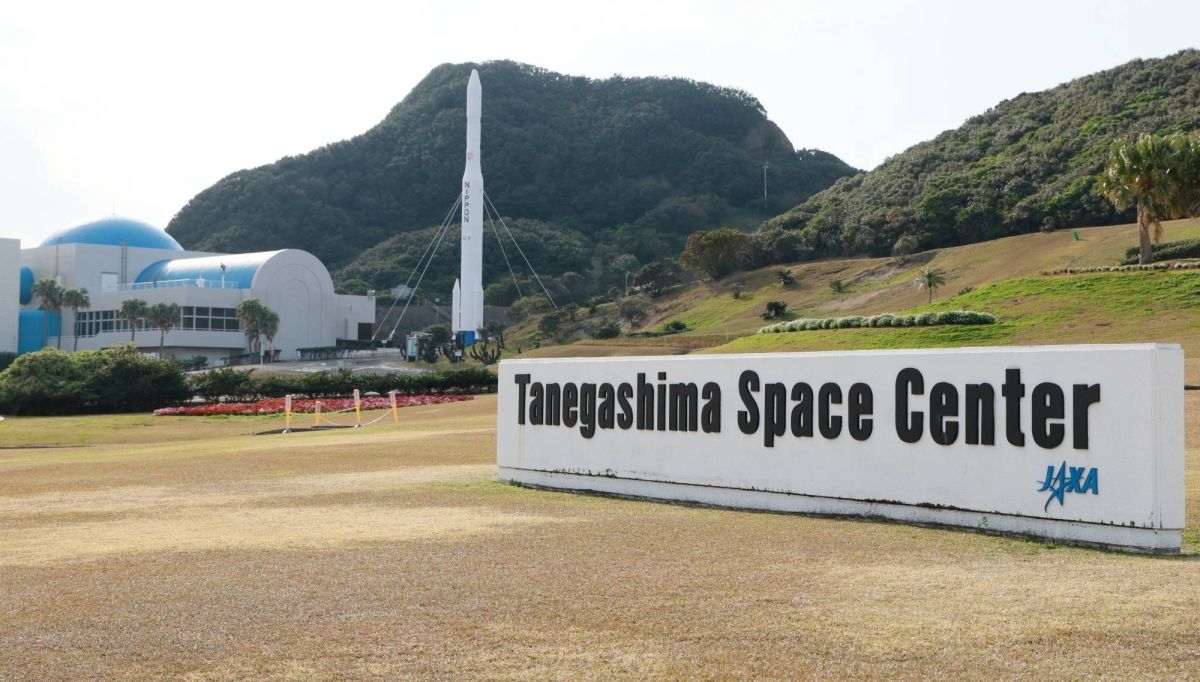
Photo of JAXA’s Tanegashima Space Center in the Kagoshima Prefecture, where an engine combustion test of the Epsilon S rocket was halted earlier today, courtesy of JIJI viao via The Japan Times.
Japan’s Chief Cabinet Secretary Yoshimasa Hayashi said at a regular press briefing that rocket development is "extremely important" to ensure the autonomy of Japan’s space program, according to Reuters.
JAXA’s H3 rocket is built by Mitsubishi Heavy Industries (TYO: 7011); the rocket failed at its first launch last year but has succeeded in three flights this year, launching Japanese satellites and winning orders from French satellite operator Eutelsat (EPA: ETL), per Reuters.
As for Japan’s private sector, IHI-backed Space One is set to attempt the second launch of its Kairos small rocket on Dec. 14 after the first flight exploded in March, per Reuters; IHI is aiming to become the first Japanese business to put a satellite in orbit.


