
Firefly Aerospace CEO Jason Kim Details Ocula Lunar Imaging and Mapping Service Ahead of Blue Ghost Mission 2
Leveraging the knowledge gained from its Blue Ghost Mission 1, Firefly Aerospace will offer its Ocula service - which was initially announced in June of 2025 - through its fleet of Elytra orbital vehicles deployed to lunar orbit.
(Cedar Park, Texas) Firefly Aerospace (NASDAQ: FLY) CEO Jason Kim published today (Mar. 16) a blog post providing details about the company’s development of Ocula – a service set to become the first commercial lunar imaging and mapping service available on the market, according to Firefly – which leverages the knowledge gained from Firefly’s Blue Ghost 1 Mission (which launched on January 15, 2025 and landed on March 2, 2025); Ocula will be deployed on Firefly’s upcoming Blue Ghost Mission 2, scheduled for later this year.
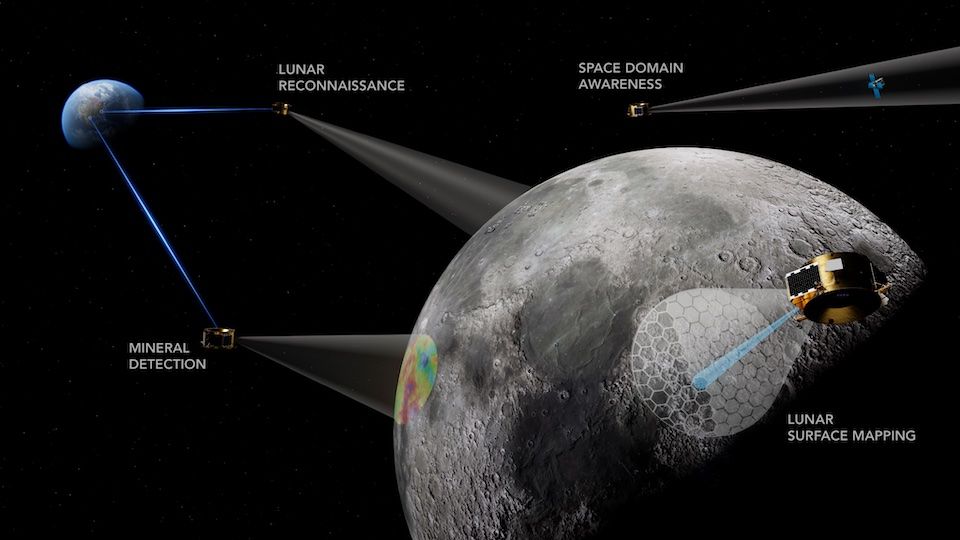
Rendering of Firefly Aerospace’s Ocula service courtesy of Firefly Aerospace.
Firefly Aerospace initially announced its new Ocula lunar imaging service on June 18, 2025.
Today’s post, entitled “Firefly Lights the Way to Lunar Data Services,” explains that starting no earlier than late 2026, the Ocula service will be offered through Firefly’s fleet of Elytra orbital vehicles deployed to lunar orbit as part of Firefly’s next three missions to the Moon.
Each Elytra will first serve as a transfer vehicle and communications relay for Blue Ghost and then remain operational in lunar orbit for five years, capturing continuous imagery of the Moon with high-resolution telescopes onboard; Firefly’s artificial intelligence-powered software and data processing capabilities through SciTec could also enable on-orbit processing of high volumes of data to enable real-time insights back to Earth, according to today’s post.
Per Kim, Ocula is designed to enable high-resolution imaging and mapping of the lunar surface at a time when other government-owned satellites, such as the Lunar Reconnaissance Orbiter, are nearing end of life.
“Rather than fund another dedicated mission, governments and other entities can get low-cost access to critical lunar imagery and mapping data through the Ocula service,” Kim explains in today’s post.
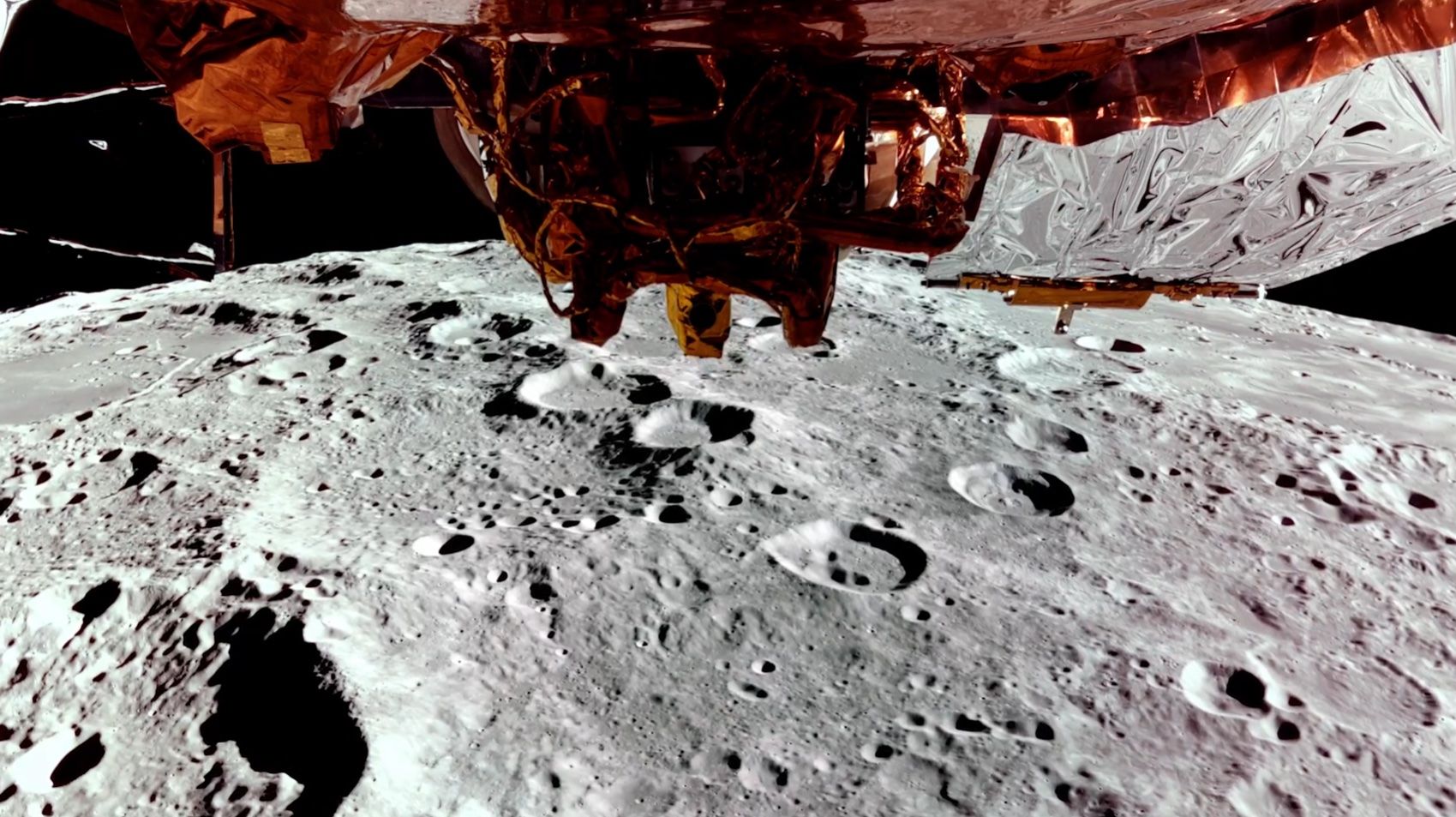
Image courtesy of Firefly Aerospace.
Kim anticipates that the data from Ocula will be critical for national security, science and commercial applications as missions to the Moon ramp up, specifically enabling customers to:
“It allows customers to:
- Map landing sites for future human and robotic missions with high-resolution imagery and fine-grained surface details;
- Detect unique lunar mineral compositions, such as ilmenite that indicates the presence of helium-3, through ultraviolet and visible spectrum imaging;
- Gain situational awareness of infrastructure, vehicles, and operations occurring on the lunar surface; and
- Track maneuvering objects and gain situational awareness of space operations occurring in the cislunar domain,”
according to today’s post.
According to Kim, the commercial space industry has proven its ability to develop and deploy space capabilities at a lower cost and on a faster timeline (vs. government entities), ultimately saving taxpayers billions of dollars.
“This strategic shift not only enhances NASA’s capabilities but also fosters a thriving commercial space economy,” Kim says in the post.


