
Ferrovial Airports to focus on the U.S. and Pause Vertiport Investments in the Near Future, Per AeroTime
In an interview with AeroTime, Ferrovial Airports’ CEO Luke Bugeja confirmed that the Ferrovial’s airport management subsidiary plans to focus on the U.S. market following its divestment from its U.K. assets.
(Austin, Texas) Ferrovial Airports, the airport management subsidiary of Spanish multinational infrastructure company Ferrovial S.E. (NASDAQ: FER) (previously Grupo Ferrovial), is planning to focus on the U.S. market and put a pause on vertiport investments following its recent divestment from its U.K. assets (announced last week on Nov. 13th), the company’s CEO Luke Bugeja told AeroTime.
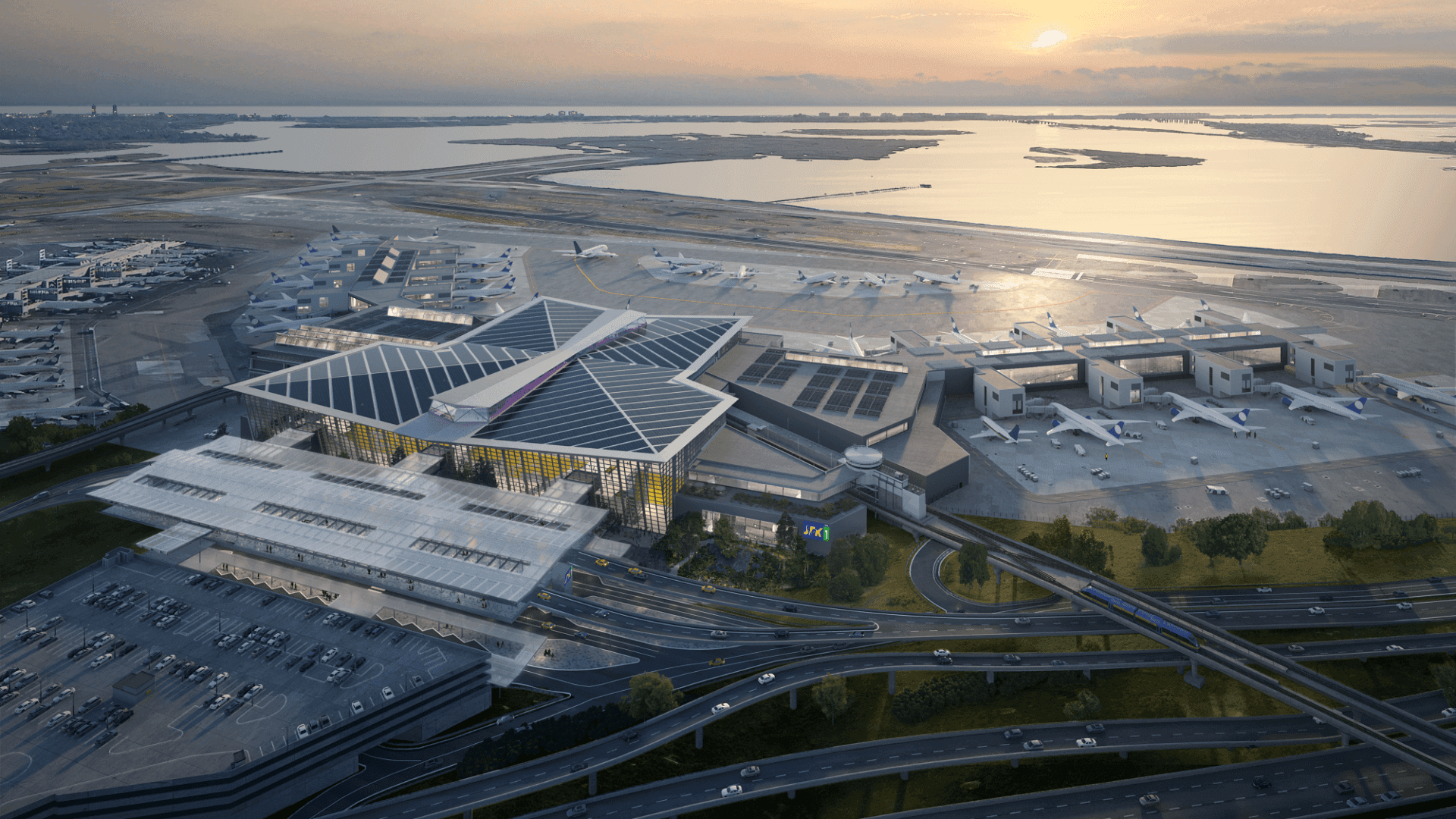
Rendering of the forthcoming new Terminal One at John F. Kennedy International Airport (IATA: JFK, ICAO: KJFK, FAA LID: JFK) – which Ferrovial is playing a key role in constructing, and is due to be completed in 2030 – courtesy of Ferrovial.
Ferrovial’s strategic plans are motivated in part by the desire to leverage Ferrovial’s already-significant presence in the U.S. construction market, and to take a “wait-and-see” approach to its vertiport investments for the nascent electric vertical takeoff and landing (eVTOL) vehicle industry. Ferrovial Airports’ pullback from its vertiport investments are a result of Bugeja’s expectations that it may take a bit longer than initially anticipated for advanced air mobility (AAM) players to roll out operations, and that early eVTOL operators will make use of existing heliport infrastructure for the initial testing phases of their rollout, rather than requiring large new infrastructure developments; Bugeja expects these initial rollouts to happen in a limited number of locations, such as the Middle East, initially, per AeroTime.
Previously, in 2021, Ferrovial and eVTOL developer Lilium – which declared bankruptcy in October and was delisted from the NASDAQ on Nov. 6th, and has since begun its post-insolvency M&A process with KPMG – signed a framework agreement to develop a network of a minimum of ten vertiports to service strategic locations in major cities across Florida.
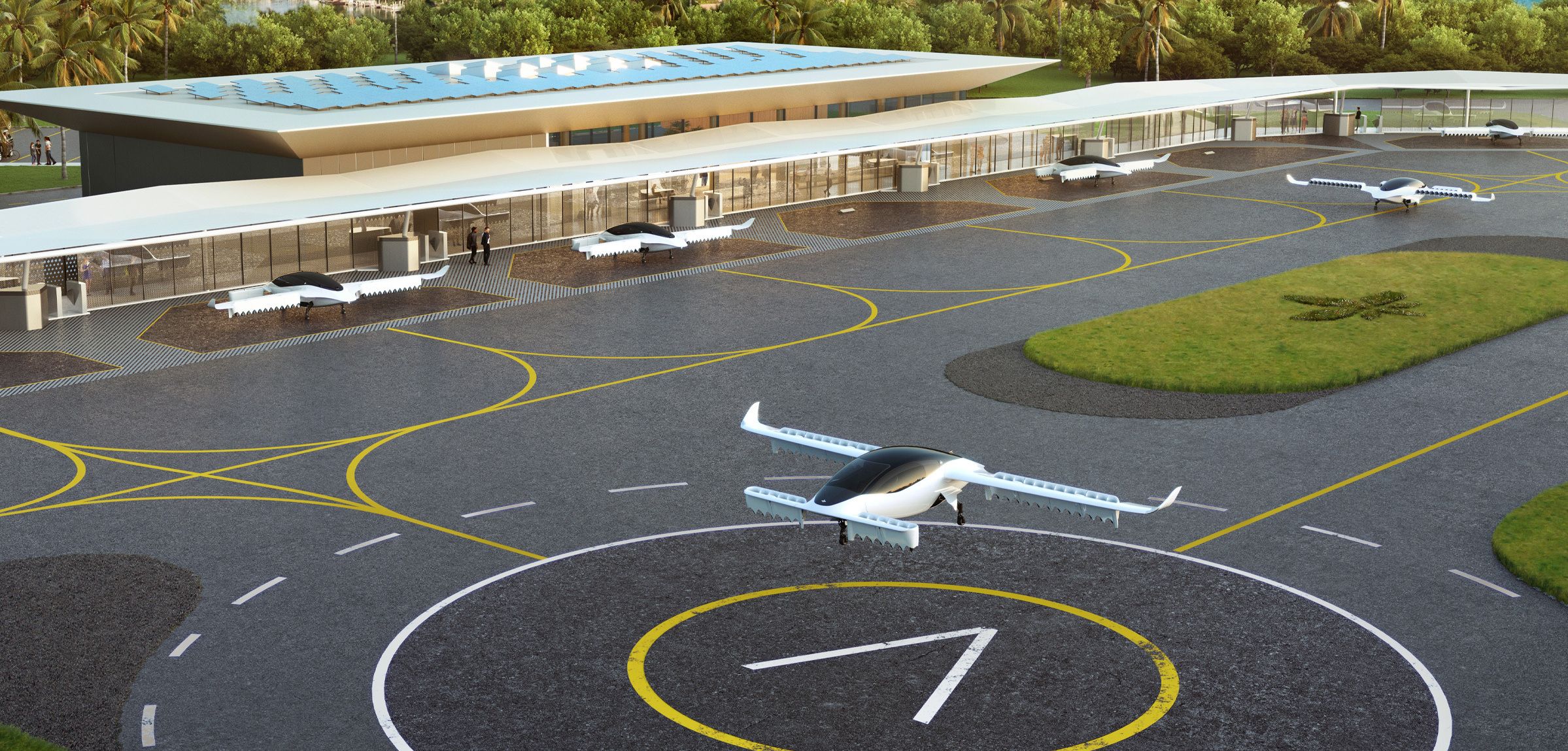
A 2021 rendering of a vertiport associated with the previously planned Lilium-Ferrovial vertiport network in Florida courtesy of Lilium.
Another factor influencing Ferrovial’s interest in U.S. airports is the idea that the market is “on the cusp of a major transformation, with the ongoing multi-billion upgrade of the New York airport system expected to trigger, according to Bugeja, an avalanche of new airport investment projects across the country,” according to AeroTime.
Last week, on Nov. 13th, Ferrovial agreed with its joint venture partner Macquarie (ASX: MQG) to sell ASG Airports, the parent company of three British airports – including Aberdeen, Glasgow and Southampton airports – in a deal worth more than £1.53 billion ($2 billion), according to Aviation Week Network
ASG was sold to AviAlliance U.K. for 900 million pounds ($1.15 billion), per Reuters; the buyer also took on £653 million ($825 million) in debt as part of the deal.
ASG Airports was established as a JV between Macquarie and Ferrovial following their 2014 acquisition of the airport portfolio from Heathrow Airport Holdings.
“Aberdeen, Glasgow and Southampton airports provide vital connectivity for communities in Scotland and the southeast of England,” AviAlliance MD Gerhard Schroeder said, per Aviation Week. “We are committed to supporting the airports over the long term to expand their route networks, further improve the passenger experience and implement the airports’ sustainability strategy.”
Moving forward, Ferrovial Airports will continue to play a leading role in the consortium building the new Terminal One at New York’s John F. Kennedy International Airport (JFK), a massive redevelopment project that will see the airport’s Terminals 1, 2 and 3 be replaced with a brand new 2.5 million square foot terminal; the new terminal will then be operated under a concession regime that runs to 2060, per AeroTime. Completion of the terminal is expected in 2030.
Bugeja said the project will become a new benchmark for airport experience in the US and will induce other airports to act, estimating that around half of US airports need some significant renovation, according to AeroTime.
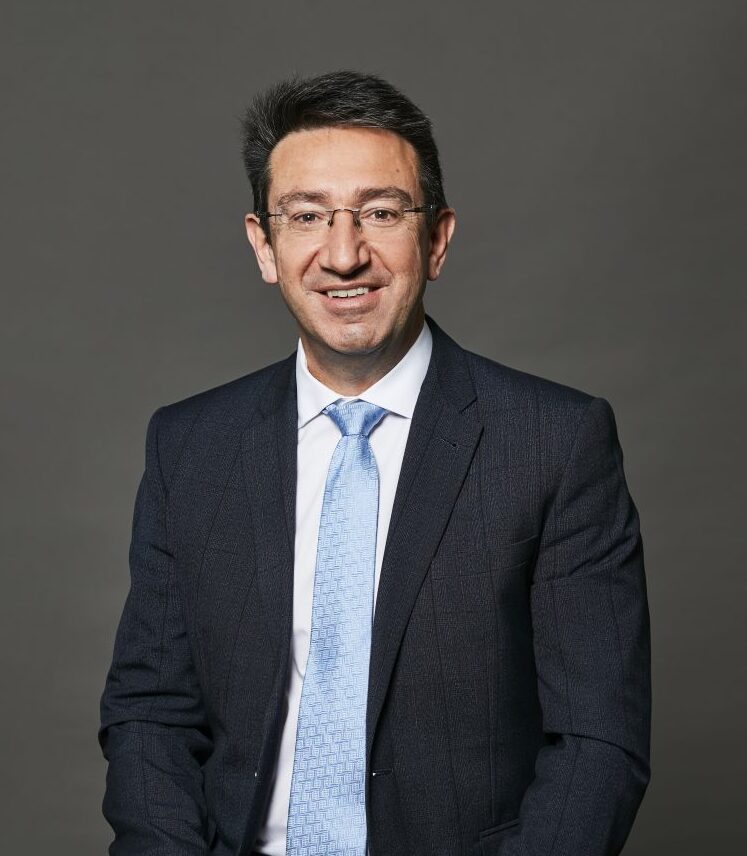
Photo of Ferrovial Airports CEO Luke Bugeja courtesy of Ferrovial Airports via AeroTime.
Per AeroTime: “Since many airports in the US are owned by state, country, or city governments, they often face a lack of funds to undertake major upgrade projects. The successful implementation of public-private partnership (PPP) projects alongside concession terms that often stretch for four decades or more, could serve as a catalyst to attract fresh private investment in this sector, Bugeja explained.”
JFK’s Terminal One will become Ferrovial Airports’ flagship asset, after the firm agreed to the sale of a 25% stake in London-Heathrow Airport (LHR) to Saudi Arabia’s Public Investment Fund (PIF) in November of 2023 and its recent sale of ASG Airports. While Ferrovial will focus on the United States in the near future, it will also continue to consider opportunistic investments in other regions, according to AeroTime.


