
Archer’s Midnight eVTOL Prototype Completes Highest Altitude Flight to Date, Reaching 7,000 Feet AGL
While eVTOL aircraft such as Midnight are primarily intended to operate in and around cities at altitudes between 1,500 and 4,000 feet, the capability to fly at higher altitudes provides operational flexibility.
(Salinas, California) Archer Aviation (NYSE: ACHR) announced today (Sept. 22) that its Midnight electric vertical takeoff and landing (eVTOL) aircraft successfully completed its highest altitude flight to date, reaching altitudes of 7,000 feet, in a test flight from Archer’s facility in Salinas, California.
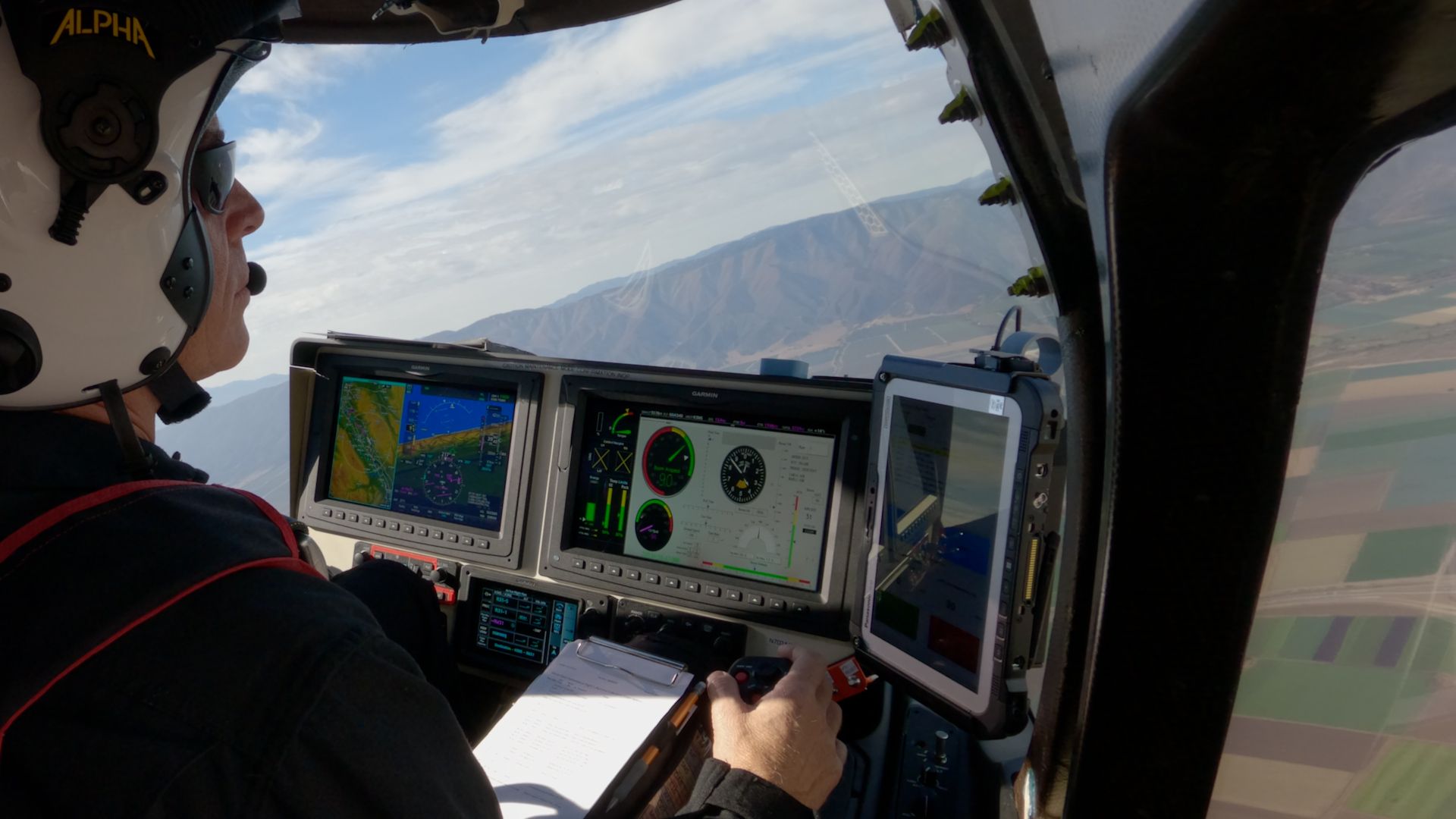
Photo of the inside of Archer’s Midnight eVTOL’s flight deck during the company’s recent record-breaking flight, where Midnight reached an altittude of 7,000 ft AGL, courtesy of Archer Aviation.
Per today’s press release from Archer, the flight marked one in a series of upcoming aircraft performance test flights designed to test and showcase Midnight’s operational range.
While eVTOL aircraft such as Midnight are primarily intended to operate in and around cities at altitudes between 1,500 and 4,000 feet, having the operational capability to fly at higher altitudes provides flexibility for managing air traffic in high-density environments and allows eVTOLs to be able to operate in otherwise inoperable cities at elevation, according to Archer.
During its recent altitude record-breaking flight, Midnight’s test pilot conducted a steady climb after takeoff, leveled off at altitude, then continued to fly for 45 miles in total at speeds in excess of 120 mph; the achievement follows last month’s record-setting flight in which Midnight covered approximately 55 miles in 31 minutes at speeds exceeding 126 mph, per Archer.
Adam Goldstein, founder and CEO of Archer, said: “I’m proud of the team for consistently proving Midnight’s performance capabilities while maintaining the highest safety standards. Our test pilots will continue to safely and methodically test Midnight’s speed, duration and mission profiles to prepare for early commercial operations.”


